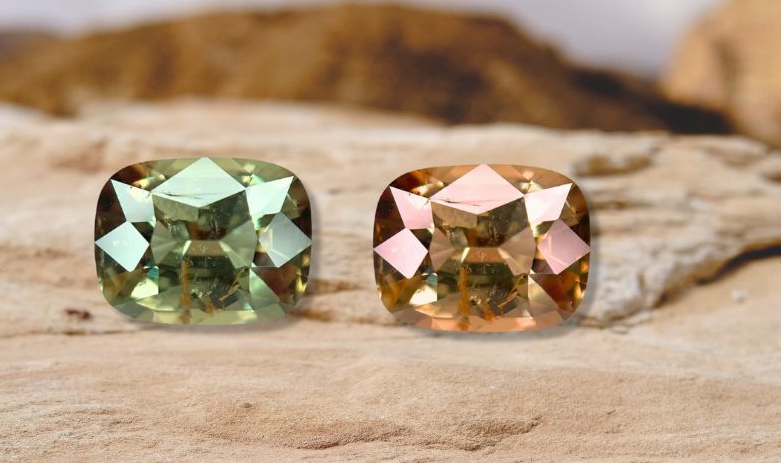
Alexandrite is one of the most intriguing and valuable gemstones in the world, admired for both its beauty and its extraordinary optical properties. Often referred to as an “emerald by day, ruby by night,” this gemstone has fascinated gemologists and collectors for nearly two centuries. Its rarity, combined with its dramatic color-changing ability, places it among the most sought-after gems on Earth. As natural supplies have dwindled, interest in lab grown alexandrite has increased, offering a modern alternative to this legendary stone.
The Discovery and Historical Significance of Alexandrite
Alexandrite was first discovered in 1830 in the Ural Mountains of Russia. It was named after the future Tsar Alexander II and quickly became associated with royalty and prestige. Early Russian stones displayed an exceptional color change from vivid green in daylight to rich red under candlelight, making them especially prized. Because the original Russian deposits were limited and eventually depleted, alexandrite soon became known as a gemstone of extreme rarity.
As time passed, new sources were identified in Sri Lanka, Brazil, India, and parts of East Africa. However, these deposits rarely produced stones with the same intense color change seen in the original Russian material. The limited availability of high-quality natural alexandrite is one of the main reasons lab grown alexandrite has become increasingly popular among jewelers and consumers.
The Science Behind the Color Change
The most remarkable feature of alexandrite is its ability to change color depending on the lighting conditions. This phenomenon occurs due to the presence of chromium within the crystal structure. In daylight or fluorescent light, alexandrite typically appears green or bluish-green. Under incandescent or candlelight, it shifts toward red, purplish-red, or raspberry tones.
This color change is not just rare; it must also be distinct to be valuable. Many stones show only subtle differences, while exceptional specimens display a dramatic transformation. High-quality lab grown alexandrite is designed to replicate this optical effect with impressive accuracy, making it difficult for the untrained eye to distinguish from natural stones.
Why Natural Alexandrite Is So Rare
Alexandrite’s rarity is rooted in its unusual geological formation. It requires the presence of beryllium and chromium in the same environment, along with very low iron content. These conditions almost never occur together in nature, which explains why alexandrite deposits are so scarce.
Additionally, most natural alexandrite crystals are very small. Stones larger than one carat with strong color change are exceptionally rare and command extremely high prices. This scarcity has driven demand for lab grown alexandrite, which can be produced in larger sizes without compromising visual quality.
Natural Alexandrite vs. Lab-Grown Alternatives
From a chemical and structural standpoint, lab grown alexandrite is nearly identical to its natural counterpart. It shares the same crystal structure and exhibits the same color-changing behavior. The main difference lies in origin: one is formed over millions of years in the Earth, while the other is created under controlled laboratory conditions.
Another advantage of lab grown alexandrite is consistency. Natural stones often contain inclusions and color inconsistencies, while lab-grown versions can be produced with excellent clarity. Furthermore, lab grown alexandrite offers a more ethical and environmentally responsible option, as it avoids the ecological impact associated with mining.
See also: The Hidden Costs of Technological Advancement
Value, Jewelry Use, and Modern Appeal
Natural alexandrite is considered one of the most expensive colored gemstones in the world, with prices increasing dramatically based on size, clarity, and strength of color change. This makes ownership unattainable for many buyers. In contrast, lab grown alexandrite provides a way for people to enjoy the gem’s unique beauty at a more accessible price point.
In modern jewelry, alexandrite is commonly used in rings, pendants, earrings, and bracelets. Its durability and hardness make it suitable for daily wear, while its color-changing nature adds an element of surprise and individuality. As consumers become more educated about gemstones, lab grown alexandrite continues to gain acceptance and admiration.
Conclusion
Alexandrite is considered rare because of its extraordinary formation conditions, limited natural supply, and remarkable ability to change color under different lighting. Its rich history and scientific uniqueness have secured its place among the world’s most fascinating gemstones. While natural alexandrite remains a symbol of exclusivity and luxury, lab grown alexandrite has opened the door for a wider audience to appreciate this captivating stone. By combining beauty, innovation, and accessibility, it ensures that the legacy of alexandrite continues well into the future.