Introduction to Fire Risk Assessment in Residential Care Homes
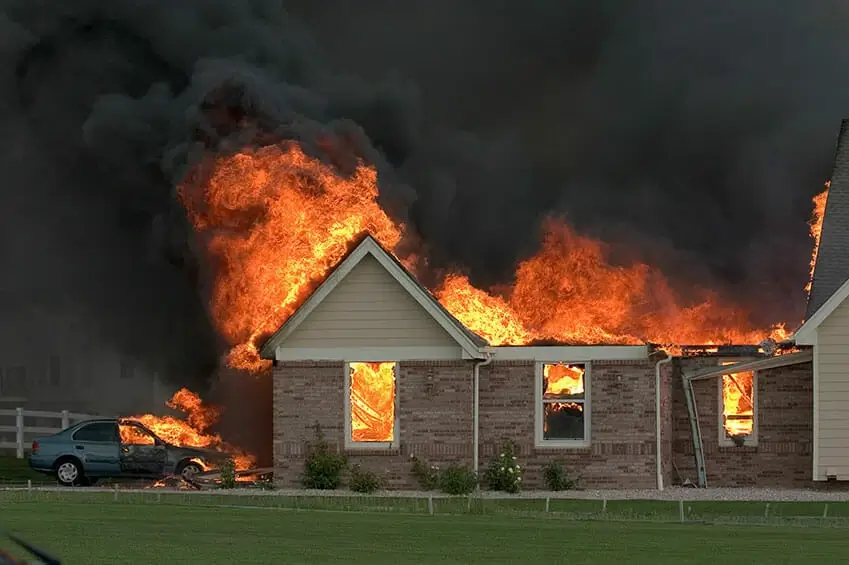
Residential care homes provide accommodation and daily support for elderly individuals and people with physical or mental health needs. Because many residents may have limited mobility or require assistance, fire safety is a critical priority. Fire Risk Assessment for Residential Care Homes helps identify potential fire hazards, reduce risks, and ensure the safety of residents, staff, and visitors. A well-planned fire safety approach can prevent serious incidents and save lives.
Understanding Fire Risks in Care Homes
Care homes face unique fire risks due to their environment and occupants. Electrical equipment, medical devices, heating systems, and kitchen facilities are common sources of ignition. Soft furnishings, bedding, and mobility aids can contribute to rapid fire spread if not properly managed. Additionally, residents may be unable to respond quickly during emergencies, increasing the level of risk.
Understanding these factors is essential for conducting an effective fire risk assessment.
Importance of Fire Risk Assessment for Care Homes
Fire Risk Assessment is especially important in residential care homes because of the vulnerability of residents. A fire incident can lead to severe injuries or fatalities if evacuation is delayed or poorly managed. Regular fire risk assessments help care home operators comply with fire safety regulations and ensure that appropriate protective measures are in place.
These assessments also provide reassurance to families and regulatory authorities that resident safety is taken seriously.
Key Steps in Fire Risk Assessment for Care Homes
The fire risk assessment process begins with identifying fire hazards such as electrical systems, cooking areas, and storage of flammable materials. The next step is identifying people at risk, including residents, staff, and visitors, with special attention given to those with mobility or cognitive impairments.
Existing fire safety measures such as fire alarms, emergency lighting, fire doors, and evacuation routes are then evaluated. Finally, findings are documented and actions are recommended to reduce risks and improve safety.
Fire Prevention Measures in Residential Care Homes
Effective fire prevention measures are essential in care homes. Regular inspection and maintenance of electrical equipment help prevent faults. Safe storage of oxygen cylinders, medications, and cleaning chemicals reduces the risk of fire.
Good housekeeping practices, including clear corridors and proper waste management, also play an important role in fire prevention. Fire-resistant furnishings and materials can further slow fire spread.
Emergency Evacuation Planning and Staff Training
Emergency evacuation planning is a critical part of fire risk assessment in care homes. Evacuation plans must consider residents who require assistance or cannot evacuate independently. Clear procedures should be in place for phased evacuation and safe relocation.
Staff training is essential to ensure a calm and effective response during emergencies. Regular fire drills and training sessions help staff understand their roles and responsibilities, improving overall preparedness.
Fire Detection and Safety Systems
Reliable fire detection and safety systems are vital in residential care homes. Smoke and heat detectors should be installed throughout the building and regularly tested. Fire alarm systems must be loud and clear, ensuring early warning for staff.
Fire doors, emergency lighting, and clearly marked exits help protect escape routes and allow safe evacuation during emergencies.
Legal Compliance and Regular Review
Residential care homes are required to comply with fire safety laws and regulatory standards. Fire risk assessments should be reviewed regularly, especially when there are changes in resident needs, building layout, or equipment. Ongoing compliance ensures continuous protection and reduces the risk of legal penalties.
Benefits of Fire Risk Assessment for Care Homes
Fire Risk Assessment provides numerous benefits, including enhanced resident safety, reduced fire incidents, and improved compliance with regulations. It also protects staff, visitors, and property while maintaining the care home’s reputation and trust.
Conclusion
Fire Risk Assessment for Residential Care Homes is a vital process that helps protect vulnerable residents and ensure a safe living environment. By identifying hazards, implementing effective fire prevention measures, and training staff, care homes can significantly reduce fire risks. A proactive and well-managed fire safety strategy ensures peace of mind for residents, families, and care providers.