Choosing honey suppliers and placing a large order without testing the product first is one of the most common and costly mistakes buyers make in bulk honey purchasing. A supplier may look credible on paper, yet deliver honey that smells off, crystallises unexpectedly, or comes with paperwork that fails to match what is actually in the containers. The good news is that a thorough quality check requires no laboratory access or specialist knowledge.
A few steps, carried out in the right order, give any buyer all the information needed to approve a supplier or walk away with confidence.
1. Know What You Want Before You Start
The most important step happens before you contact any supplier. Without a clear idea of what you need, there is no way to judge whether a supplier can actually deliver it.
Write Down Your Requirements
Before reaching out, decide on the following:
- What type of honey: wildflower, a single floral variety, raw, filtered, or creamed
- Where it should come from: a country, region, or specific farm
- What size containers you need and how often you plan to reorder
- What you will use the honey for: cooking, retail, gifting, baking, or repacking
See also: The Risks of Working Around Moving Machinery
Know What Good Honey Looks Like for Your Use
A café buying honey for daily service has different needs from a shop selling premium jars. Think about the colour, texture, aroma, and flavour that suit the product or customer. Set these expectations early so you can compare suppliers fairly rather than accepting whatever arrives.
2. Check the Supplier Before Ordering
Good honey suppliers are easy to verify. One who makes it difficult to get basic information is a warning sign.
Basic Checks to Run
Before placing any order, confirm:
- The business is registered and has a verifiable physical address
- The supplier can give you references from other buyers
- Supplier has food-safety certification relevant to your market, such as HACCP, Kosher, or Halal
- Honey is South African produced, imported, or blended, and the supplier is transparent about which
Ask About Traceability
Traceability simply means the supplier can tell you where a specific batch came from and when it was packed. Ask the supplier to describe the process in plain terms. A supplier who cannot answer this clearly is a risk, regardless of how many certificates they display.
3. Request a Document for the Specific Batch
A Certificate of Analysis, often called a CoA, is a report from a laboratory showing the test results for a specific batch of honey. Ask for this document before committing to any order.
What the Document Should Cover
The CoA should show basic quality results for the exact batch you are buying, including moisture level, sugar content, signs of any added sweeteners, and confirmation that the honey is free from harmful residues. The batch or lot number on the document must match the actual order.
Red Flags to Watch For
- Supplier offers a general document rather than one tied to the specific batch.
- Laboratory named in the report is unfamiliar or cannot be found online
- Key results are missing, or the document has no date, signature, or batch reference
If the supplier cannot produce a clear, batch-specific document, treat that as a problem rather than a paperwork detail.
4. Test a Sample Before Committing
Ask for a small sealed sample from the actual batch before placing a full order. This is standard practice, and any credible supplier will agree to it.
What to Look For in the Sample
Open the sample and assess it simply:
- Smell: Fresh, clean, and characteristic of the honey type declared; sour, fermented, chemical, or smoky odours are problems
- Colour: Consistent with the floral source described; an unexpected shade is worth questioning
- Texture: Should match the processing described: raw honey tends to be thicker; filtered honey pours more easily
- Taste: Balanced sweetness appropriate to the variety, with no off flavours
Simple At-Home Tests Worth Running
These tests take less than five minutes and require nothing beyond a glass of water and a clean spoon. Run them on any sample before placing a full order.
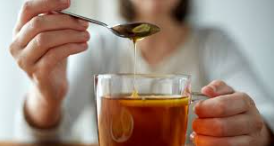
The water test is the most widely used. Drop a spoonful of honey into a glass of room-temperature water. Pure honey sinks and stays together in a lump at the bottom. Honey that dissolves quickly or spreads on contact is more likely to contain added water or syrup.
The spoon test is just as quick. Scoop a spoonful and let it fall back into the jar:
- Good quality honey falls in a thick, steady ribbon
- Thin honey that pours like water is a concern
- Raw honey tends to be slower and heavier; filtered honey is more fluid but should still hold some body
The thumb test: Place a small drop on your thumb. Pure honey stays in place and holds its shape. Thin or diluted honey spreads and runs within a few seconds.
For the aroma and crystallisation checks, no equipment is needed at all. Smell the honey before tasting it; pure honey has a distinct floral or earthy aroma depending on the variety, and honey with no smell at all is worth questioning. On crystallisation: real honey solidifies over time in cool storage, which is a sign of quality rather than a problem. Honey that stays perfectly liquid for months may have been heavily processed or blended with syrups.
These tests are reliable starting points for catching low-quality or heavily diluted honey. A proper laboratory test remains the best option for large or high-value orders.
When to Send It to a Lab
For large orders, imported honey, or honey carrying an organic or single-origin claim, sending the sample to an independent food-testing laboratory is worth the cost. The lab can confirm moisture levels, sugar content, and whether the honey is pure. Ask for a laboratory that tests honey specifically rather than a general food lab.
5. Check the Delivery When It Arrives
Approving a document and approving a delivery are two different things. Check the physical order before accepting it.
Check the Paperwork First
Before opening any container:
- The batch or lot number on the containers should match the approved document
- Labels should show the supplier name, origin, net weight, and best-before date
- Seals should be intact and undamaged
Check the Honey Itself
Open a few representative containers and look at the honey directly. The colour and aroma should match what was agreed and what the sample showed. Thin, watery honey at room temperature can indicate too much moisture. Bubbling, foam, or a sharp alcoholic smell suggests fermentation and is grounds for rejection. Wax particles in raw honey are normal; mould, debris, or insects are grounds for rejection. Crystallisation is natural in raw honey and carries no mark against quality. Record what you find before deciding to accept or reject.
6. Approve or Reject and Keep Records
Once the checks are complete, make a clear decision and document it.
When to Approve
Approve the batch when the document matches the order, the sample and delivery look and smell as expected, and the supplier has answered questions about origin and handling clearly.
When to Reject
Reject or hold the batch when:
- Paperwork does not match what arrived
- Honey smells off, shows fermentation, or looks significantly different from the sample
- Supplier cannot explain discrepancies when asked
Put the rejection in writing, keep all records including the original document, sample notes, and delivery photos, and contact the supplier in writing. A supplier who becomes defensive or pressures you to accept the batch is showing you something important about how future orders will go.
FAQs
What is a Certificate of Analysis for honey?
A Certificate of Analysis is a lab report showing quality results for a specific honey batch: moisture level, sugar content, purity, and residue checks. It gives objective evidence about the honey rather than relying on the supplier’s word.
How do I know if a honey supplier is trustworthy?
A trustworthy supplier names the origin, shows batch-specific test results, holds food-safety certification, and gives references from other buyers. Reluctance on any of these points is worth taking seriously before placing a large order.
Does crystallised honey mean it has gone bad?
Crystallisation is natural in real honey, particularly raw honey, and carries no mark against quality or safety. Gently warming the container in warm water will return most honey to a liquid state.
Conclusion
Testing honey suppliers before committing comes down to five practical steps. Know what you want, check the supplier’s credentials, request the right documents, taste and assess a sample, and inspect the delivery on arrival. None of these requires specialist knowledge; they require attention and a willingness to ask direct questions.
Fleures Honey supplies 100% raw South African wildflower honey in sealed, batch-labelled containers. Each bulk order includes batch information, test certificates, and traceability records as standard. The honey is Kosher-certified, Halal-certified, and HACCP-accredited, and Fleures Honey holds ZA export approval for international buyers.
For a supplier that brings the documentation to the table without being asked, visit fleures.co.za.
Read More: How Much Does Bulk Honey Cost Per Kilogram In South Africa