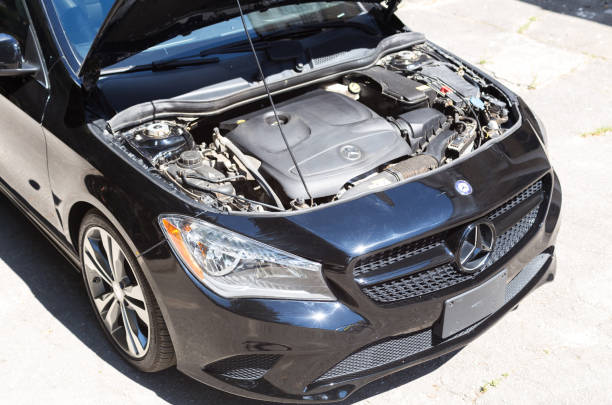
Modern Mercedes-Benz vehicles are known for luxury, performance, and advanced engineering. One of the essential systems that contributes to a comfortable driving experience is the air conditioning system. At the heart of this system is the Mercedes ac compressor, a crucial component responsible for circulating refrigerant and maintaining cool air throughout the cabin.
Whether you’re driving through Australia’s hot summers or dealing with humid coastal conditions, a properly functioning air conditioning system is essential. Understanding how the compressor works, recognising signs of failure, and knowing when replacement is necessary can help vehicle owners maintain optimal comfort and avoid costly repairs.
Understanding the Role of a Mercedes AC Compressor
The Mercedes ac compressor serves as the engine of the vehicle’s air conditioning system. Its primary role is to compress refrigerant gas and move it through the various components of the cooling circuit.
When the air conditioning is switched on, the compressor pressurises the refrigerant and sends it to the condenser. From there, the refrigerant cools and circulates through the system before returning to the compressor to repeat the cycle.
Without a functioning compressor, the entire cooling process comes to a halt, resulting in warm air being blown into the cabin instead of refreshing cool air.
How the Air Conditioning System Works
A vehicle’s air conditioning system relies on several interconnected parts working together efficiently. These include:
- Compressor
- Condenser
- Evaporator
- Expansion valve
- Refrigerant lines
- Receiver dryer
These components form a complete network of vehicle air conditioning parts designed to regulate cabin temperature and humidity.
The compressor initiates the cooling process by compressing refrigerant, making it one of the most important elements within the system.
Common Causes of Mercedes AC Compressor Failure
Like any mechanical component, compressors experience wear over time. Several factors can contribute to failure.
Refrigerant Leaks
Low refrigerant levels force the compressor to work harder than intended. This additional strain can accelerate wear and eventually lead to internal damage.
Lack of Lubrication
Compressors rely on specialised oil circulating with the refrigerant. Insufficient lubrication can cause excessive friction and premature failure.
Electrical Issues
Modern Mercedes vehicles use advanced electronic controls. Faulty sensors, wiring issues, or malfunctioning relays can prevent the compressor from engaging properly.
Internal Wear
Over years of operation, bearings, seals, and internal pistons may wear out, reducing performance and efficiency.
Contamination
Debris or moisture entering the air conditioning system can damage sensitive auto ac components, leading to compressor failure and reduced cooling performance.
Signs Your Mercedes AC Compressor Needs Attention
Identifying problems early can help prevent extensive damage to the entire air conditioning system.
Weak Cooling Performance
One of the earliest indicators is reduced cooling capacity. If the cabin takes longer to cool or never reaches the desired temperature, the compressor may not be operating efficiently.
Strange Noises
Grinding, rattling, or squealing sounds when the air conditioning is running often indicate internal compressor wear.
Compressor Clutch Problems
The clutch engages and disengages the compressor as needed. If it fails to operate correctly, cooling performance will suffer.
Refrigerant Leaks
Visible oil residue around compressor connections may indicate refrigerant leakage.
Inconsistent Temperature Control
Fluctuating cabin temperatures often suggest compressor performance issues or system pressure irregularities.
Why Genuine Quality Matters
When replacing a compressor, quality should never be compromised. Mercedes vehicles are engineered with precision, and inferior replacement parts can create compatibility issues.
High-quality compressors offer:
- Improved reliability
- Better cooling efficiency
- Longer service life
- Reduced system strain
- Enhanced fuel efficiency
Investing in premium replacement parts often reduces long-term maintenance costs and improves overall system performance.
See also: Fire Risk Assessment for Residential Care Homes
The Importance of Professional Diagnosis
Many air conditioning problems can mimic compressor failure. For example:
- Faulty pressure switches
- Refrigerant leaks
- Blocked condensers
- Electrical faults
- Damaged expansion valves
Professional technicians use specialised diagnostic equipment to determine whether the compressor is truly at fault before recommending replacement.
This approach helps avoid unnecessary expenses and ensures the correct repair is performed.
Maintaining Your Mercedes Air Conditioning System
Preventative maintenance is the best way to maximise compressor lifespan.
Run the Air Conditioning Regularly
Even during cooler months, running the system periodically keeps seals lubricated and prevents refrigerant loss.
Replace Cabin Air Filters
Restricted airflow can place additional demands on the cooling system.
Inspect Refrigerant Levels
Routine inspections help identify leaks before they damage major components.
Schedule Annual Air Conditioning Checks
Regular servicing ensures all vehicle ac parts remain in optimal condition and operate efficiently.
Address Small Issues Quickly
Ignoring minor symptoms often results in larger and more expensive repairs later.
Benefits of Replacing a Failing Compressor
Installing a new compressor can significantly improve vehicle comfort and performance.
Enhanced Cooling Efficiency
A new compressor restores proper refrigerant circulation and temperature control.
Reduced Fuel Consumption
A malfunctioning compressor may create additional engine load. Efficient operation helps optimise fuel economy.
Improved Cabin Comfort
Consistent cooling makes every journey more enjoyable, particularly during extreme weather conditions.
Better System Reliability
Replacing worn components reduces the likelihood of future breakdowns.
Protection for Other Components
A failing compressor can contaminate the entire system. Timely replacement helps protect expensive surrounding parts.
Choosing the Right Replacement Compressor
Selecting the correct compressor is critical for long-term reliability.
Consider the following factors:
Vehicle Compatibility
Mercedes-Benz models use different compressor designs depending on year, engine, and air conditioning configuration.
Manufacturer Quality
Choose reputable manufacturers that meet or exceed original equipment specifications.
Warranty Coverage
Reliable suppliers often provide warranty protection for added peace of mind.
Installation Requirements
Professional installation ensures correct refrigerant charging and system calibration.
Overall System Condition
In some cases, additional aircon parts car components such as condensers, dryers, or expansion valves may also require replacement.
The Cost of Ignoring Compressor Problems
Delaying repairs can lead to significant consequences.
Potential issues include:
- Complete air conditioning failure
- Compressor seizure
- Belt damage
- Refrigerant contamination
- Increased repair costs
- Reduced vehicle resale value
Addressing compressor concerns early often prevents more extensive system damage and minimises repair expenses.
Mercedes Models Commonly Requiring Compressor Replacement
While compressor lifespan varies, replacement may eventually be needed in various Mercedes-Benz models, including:
- C-Class
- E-Class
- S-Class
- GLC
- GLE
- GLS
- A-Class
- CLA
- Sprinter Vans
Vehicle age, climate conditions, and maintenance history all influence component longevity.
The Relationship Between Compressors and Overall Air Conditioning Performance
The compressor does not operate independently. It works alongside numerous supporting systems to maintain efficient cooling.
The condenser removes heat from compressed refrigerant, while the evaporator absorbs heat from the cabin. Expansion valves regulate refrigerant flow, and electronic controls manage system operation.
Because these elements work together, maintaining all related components is equally important. Neglecting one area can reduce the effectiveness of the entire system.
Finding Reliable Mercedes Air Conditioning Parts
When sourcing replacement components, it is important to work with trusted suppliers specialising in Mercedes systems.
Experienced suppliers understand:
- Model-specific requirements
- OEM compatibility
- Refrigerant specifications
- System calibration needs
- Long-term reliability standards
Access to quality replacement parts helps ensure successful repairs and lasting performance.
Conclusion
A properly functioning Mercedes ac compressor is essential for maintaining cabin comfort, protecting sensitive climate control components, and ensuring the overall efficiency of your vehicle’s air conditioning system. From recognising early warning signs to investing in quality replacement parts and preventative maintenance, proactive care can significantly extend the life of your cooling system.
By understanding how the Mercedes ac compressor operates and addressing issues before they escalate, Mercedes owners can enjoy reliable performance, improved comfort, and reduced repair costs. Whether you’re maintaining a luxury sedan, SUV, or commercial vehicle, keeping your air conditioning system in top condition ensures every drive remains comfortable regardless of the weather.