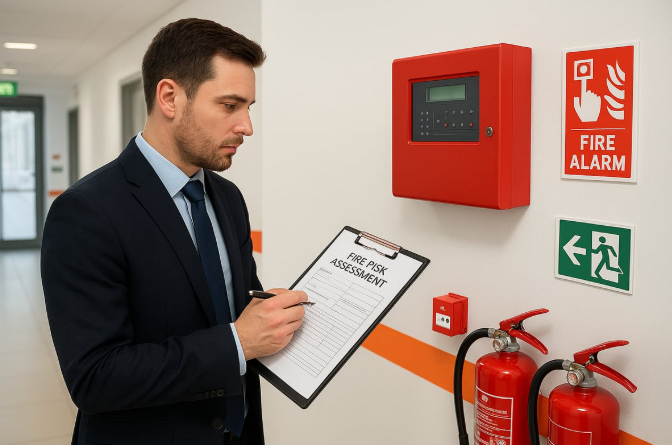
Commercial buildings require steady oversight to reduce hazards that may interrupt daily operations. Property owners often seek reliable methods that help identify concerns before they become larger problems. Proper observation supports safer environments while helping management teams respond quickly when needed. In many situations, affordable fire watch service in hartford becomes part of a broader plan that supports ongoing site protection. Consistent review procedures help maintain order across offices, warehouses, retail locations, and industrial spaces. Addressing commercial property needs through continuous fire safety monitoring focuses on maintaining awareness through organized observation practices.
Building Safety Awareness
Every property has different operational demands. Regular observation helps staff recognize concerns before they affect occupants.
Clear reporting methods improve communication. Early notice allows responsible teams to act without unnecessary delays.
See also: How Green Tech Thinking Can Change the Way Fast Digital Products Are Designed
Daily Observation Practices
Routine checks help maintain awareness throughout occupied areas. Consistent review supports stable management procedures.
Staff members can identify unusual conditions faster. Timely records provide useful information for future assessments.
Common Areas Requiring Frequent Review
Certain sections of a building demand greater attention. Regular checks help reduce overlooked concerns.
- Entry points require observation for unusual activity during operations.
- Mechanical rooms need routine inspection for developing equipment concerns.
- Storage sections demand attention due to changing material arrangements.
- Utility spaces require monitoring to identify irregular operating conditions.
- Loading zones need review during active delivery movement periods.
- Hallway routes should remain clear for unrestricted occupant movement.
- Parking sections benefit from observation during peak usage hours.
- Service corridors require checks to maintain organized building access.
Monitoring Records and Reporting
Accurate records help management teams understand recurring concerns. Documentation creates a useful history of observations made throughout the property. Organized reporting supports informed decisions regarding maintenance activities. Clear records also improve communication between responsible personnel.
| Monitoring Area | Purpose |
| Entry Locations | Track activity patterns |
| Equipment Rooms | Observe operating conditions |
| Storage Sections | Identify arrangement concerns |
| Exit Routes | Verify clear passage |
| Utility Areas | Review service status |
How Does Continuous Observation Support Property Operations?
Continuous observation supports better awareness across different building sections. Small concerns can be identified before they develop into larger operational problems. Property managers benefit from receiving updated information that reflects actual site conditions. Reliable observation also assists teams responsible for maintaining organized facilities.
Occupant Protection Measures
Building occupants depend on organized oversight procedures. Continuous reviews help maintain awareness of changing site conditions.
Clear communication supports prompt action when concerns require attention. Structured observation promotes orderly property management activities.
Property Review Checklist Details
Regular inspections become more effective when supported by organized review points. Consistent evaluation improves overall site awareness.
- Inspection schedules maintain regular review across occupied building sections.
- Written logs provide reliable records for future reference purposes.
- Communication channels support prompt sharing of observed concerns.
- Equipment reviews identify irregular conditions requiring further attention.
- Access routes remain visible through consistent observation activities.
- Occupancy reviews help track changing building usage patterns.
- Maintenance coordination improves response timing for reported issues.
- Site assessments support organized planning for corrective actions.
Information People Often Request
- What does continuous observation help identify? It helps detect developing concerns early.
- How often should reviews occur? Frequency depends on property activities.
- Are written reports necessary? Documentation supports accountability and tracking.
- Can monitoring improve communication? Yes, reports assist coordination among teams.
- What locations require attention most? Entrances, utility rooms, storage sections.
- Does observation support management planning? Yes, it provides useful operational information.
Comparing Observation Activities
Different review tasks serve different purposes. Each activity contributes valuable information for building oversight.
| Activity Type | Main Focus |
| Routine Walkthrough | General condition review |
| Access Inspection | Entry control awareness |
| Equipment Check | Operational status review |
| Documentation Review | Record verification |
| Occupancy Assessment | Building usage awareness |
Steady Oversight Creates Lasting Confidence
Reliable property supervision depends on consistent action rather than occasional review. Ongoing observation helps identify concerns before they affect daily functions. Many organizations also rely on affordable fire watch service in hartford when additional monitoring support becomes necessary. Clear documentation, routine inspections, and organized communication create a stronger management process. Long term success comes from maintaining steady oversight, responding promptly, and following structured procedures every day.