Moving machinery is standard at factories, warehouses and construction sites, and plenty of people work around this machinery daily without issue. Unfortunately, many other people end up injured due to everything from mechanical malfunctions to a lack of attention and care. The injuries that machinery can lead to can be severe and life-changing, affecting people’s ability to work and even carry out daily activities.
What many don’t realize is that it takes very little to make moving machinery go haywire and cause an injury. There are also a multitude of ways moving machinery can harm you, including some where the machinery itself is only indirectly involved. If you’re about to start working in an environment where you’ll be around moving machinery, you have to be aware of the risks so that you can protect yourself.
Caught Clothing
One of the scariest risks associated with moving machinery is clothing getting caught. The clothing doesn’t have to be some loose, billowing that covers the equipment; machinery can grab everything from a floppy shoelace to a puffy cleanroom suit sleeve and trap the material in gears or in another moving part.
If this happens to you and you’re lucky, the machinery will simply jam up and stop before it pulls you toward it. Maybe the clothing will stretch or rip. You can repair or replace clothing.
But sometimes the machinery doesn’t stop, and you have to quickly extricate yourself before being pulled into the machinery. If the clothing that’s trapped in the equipment is around your neck, there’s a strangulation risk, too. Even if the machinery stops once your arm or other body part touches the equipment, you can still end up with bruises, cuts and even broken bones.
It’s essential that work uniforms fit well and not be too loose. Any potentially loose items like shoelaces need to be tucked away. And most of all, you need to be aware of where those moving parts are relative to your body at all times.
Musculoskeletal Injuries and Vibration
Sometimes the moving machinery in question is the equipment you’re operating from an attached cab, like forklift or crane. The risks of working with this type of moving machinery as an operator are twofold. One risk is that there will be an accident. Maybe the equipment turns over, or it’s involved in a collision.
The other risk has to do with your seat and seating position. When the machinery moves, it’s going to vibrate. Those vibrations will travel into your seat and affect your body. You can reduce this vibration if you maintain the equipment well and follow good ergonomic practices. If you don’t, then over time, the vibrations can lead to chronic spinal and joint problems.
Flying/Falling Materials
The risks don’t end with bad seating or loose clothing. Moving machinery that’s hit something or that’s malfunctioned can lead to parts falling or flying off the machine. A forklift that’s lifting too much weight can drop the item or turn over, injuring anyone standing next to it.
Negligent operation and maintenance can lead to pieces loosening and hitting someone, or even to the machinery collapsing and causing, say, a conveyor belt to collapse as well. If there’s anything on the belt at the time, whoever is nearby is at risk of injury.
Don’t assume that not being next to the machinery means you’re completely safe. For example, say something hits a tall rack holding a lot of spare parts and heavy boxes. You might not have been injured in that accident. But now you have to be careful walking near that rack until staff has inspected it. Those spare parts and boxes could have been jostled enough to make them unsteady, increasing the risk that one of them could fall.
Vehicular Injuries
Always look where you’re going in any environment where there are forklifts, tractors and other vehicle-type machines. It’s so easy to lose yourself in the latest operational statistics on your tablet or clipboard, leading you to walk into the path of one of these machines. And if you’re a driver, you have to pay close attention to what’s going on just outside the path right in front of you.
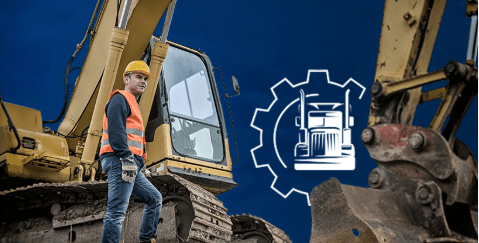
But forklifts, excavators and other machines don’t move that fast, you say. That doesn’t matter. The machines don’t stop right in their tracks. If you’re walking, and one of the operators isn’t paying attention (or if you’re the operator and someone engrossed in a chart walks into your path), it takes only a second for someone to sustain an injury.
See also: Choosing the Right Business Dispute Lawyer in Sydney
Damage to the Machinery
While the main concern regarding safety around moving machinery is about keeping people safe, the equipment itself needs some protection, too. Accidents lead to damaged machinery, and while you can repair machines, that also creates a safety risk. Whoever has to repair the item puts themselves in danger, at least until the machine is fixed.
Conclusion
Working in a warehouse requires that you pay attention to everything going on around you. While everyone there plays a role in keeping the workplace safe, one second of inattention, one lapse in judgment, one corner cut when doing maintenance can result in danger for everyone.
Treat any environment with moving machinery as a risky one, and take proper precautions. If you end up with an injury anyway, an experienced work injury lawyer like those at Laffey Bucci D’Andrea Reich & Ryan can help you seek proper compensation.