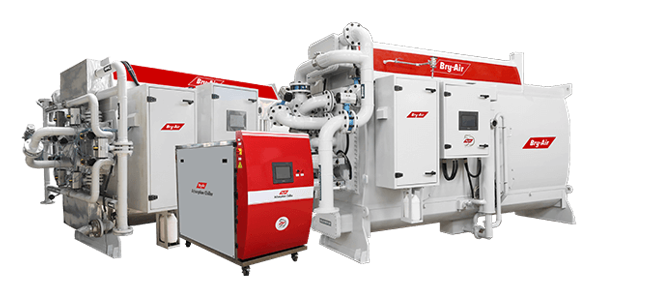
Rising Need for Sustainable Cooling Technologies
Industries and commercial facilities are under increasing pressure to adopt energy efficient and environmentally responsible cooling solutions. Conventional vapor compression systems consume significant electrical power and depend on synthetic refrigerants. As energy costs rise and environmental standards become stricter, organizations are exploring alternative technologies that offer long term operational and ecological benefits.
One of the most promising solutions in this transition is the adoption of advanced Adsorption Chillers. These systems operate using thermal energy rather than relying primarily on electricity driven compressors. By utilizing available heat sources such as waste heat, solar thermal energy, or hot water streams, adsorption chillers provide an effective and sustainable cooling mechanism.
Thermally driven cooling technology aligns with global efforts to reduce carbon emissions and improve energy efficiency. By converting unused thermal energy into chilled water, facilities can optimize overall energy utilization and lower operational costs. This approach strengthens energy management strategies and supports compliance with sustainability objectives.
Working Principle of Adsorption Cooling Systems
Adsorption chillers function on a solid sorption refrigeration cycle that uses an adsorbent material and a refrigerant, typically water. The process involves two primary phases known as adsorption and desorption. These phases occur alternately in separate chambers to ensure continuous cooling output.
During the adsorption phase, the adsorbent material captures refrigerant vapor at low pressure. This absorption of vapor creates a cooling effect in the evaporator, where chilled water is produced. In the desorption phase, heat is applied to the saturated adsorbent bed, causing the refrigerant to release as vapor. The vapor then condenses and returns to the evaporator, continuing the cycle.
The absence of mechanical compressors significantly reduces energy consumption. Instead of electrical compression, the system relies on thermal energy input to drive the refrigeration cycle. This design reduces mechanical complexity and enhances system durability.
Advanced adsorption systems are engineered with multiple adsorption beds operating alternately. While one bed undergoes adsorption, the other regenerates through heat input. This continuous switching ensures stable cooling performance without interruption.
Core Components of an Adsorption Chiller
An adsorption chiller includes several interconnected components that enable efficient operation. The adsorption beds contain materials such as silica gel or zeolite that provide high surface area for vapor capture. The evaporator generates chilled water by facilitating refrigerant evaporation under low pressure conditions.
The condenser allows refrigerant vapor to condense into liquid form, completing the refrigeration loop. Heat exchangers manage the transfer of thermal energy during adsorption and desorption cycles. Pumps and control valves regulate fluid movement and maintain proper pressure levels within the system.
Modern control systems coordinate the timing of adsorption and regeneration cycles. These automated controls optimize performance and enhance overall efficiency.
Advantages of Adsorption Chillers in Industrial Applications
Adsorption chillers offer multiple advantages that make them suitable for diverse industrial and commercial environments. Their primary benefit is the ability to utilize low grade heat sources. Instead of depending entirely on electricity, these systems convert thermal energy into useful cooling output.
Additional advantages include:
• Reduced electrical consumption and lower peak demand
• Environmentally responsible operation using water as refrigerant
• Quiet functioning due to minimal moving components
• Extended equipment life with reduced mechanical wear
These benefits contribute to improved sustainability and operational savings. Facilities that produce excess heat can harness it effectively, increasing overall energy efficiency.
Role of Adsorption Chiller Manufacturers in Innovation
Technological advancement in adsorption cooling has been driven by experienced Adsorption Chiller Manufacturers. These manufacturers focus on enhancing adsorption material performance, optimizing heat exchanger efficiency, and integrating intelligent control systems.
Research and development efforts aim to improve adsorption capacity and thermal conductivity of adsorbent materials. Enhanced materials allow faster adsorption and desorption cycles, increasing cooling output and system responsiveness.
Manufacturers also design modular systems to accommodate varying cooling loads. Scalable configurations enable facilities to expand capacity without major infrastructure changes. This flexibility supports long term growth and adaptability.
Quality engineering and rigorous testing ensure consistent performance under different operating conditions. Reliable manufacturing standards strengthen durability and maintain high efficiency over extended operational periods.
Customization and System Integration
Adsorption chiller manufacturers provide tailored solutions based on specific project requirements. Factors such as available heat source temperature, cooling load profile, and installation space influence system design.
Integration with existing HVAC infrastructure requires careful planning. Proper piping, insulation, and control synchronization ensure seamless operation. Advanced control panels allow real time monitoring of temperature, pressure, and cycle timing.
Customization enhances compatibility with renewable energy systems and combined heat and power plants. This integrated approach maximizes energy utilization and supports sustainability objectives.
See also: performance review of businesses
Energy Optimization and Environmental Benefits
Adsorption chillers contribute significantly to energy optimization strategies. By leveraging waste heat or renewable sources, facilities reduce dependency on grid electricity. Lower electrical consumption decreases operational costs and mitigates exposure to energy price fluctuations.
Environmental performance is strengthened by eliminating high global warming potential refrigerants. Water serves as a natural and environmentally safe working fluid. This reduces environmental risk and aligns with international climate initiatives.
Reduced mechanical complexity leads to lower maintenance requirements and longer system lifespan. The durability of adsorption chillers supports stable long term performance and cost effectiveness.
Energy efficient cooling systems also assist organizations in achieving green building certifications and sustainability benchmarks. Integrating adsorption technology demonstrates commitment to responsible resource management.
Applications Across Commercial and Industrial Sectors
Adsorption chillers are suitable for a wide range of applications. Manufacturing plants can utilize process waste heat to generate cooling for air conditioning or equipment temperature control. Commercial buildings benefit from reduced electricity demand during peak hours.
Healthcare facilities and institutional buildings require reliable and continuous climate control. Adsorption systems provide stable chilled water supply while maintaining energy efficiency. Data centers can integrate adsorption chillers as supplementary systems to manage cooling loads effectively.
Industrial processes that generate high temperature exhaust streams can channel this energy into adsorption chillers. This approach transforms unused heat into productive cooling capacity, improving overall plant efficiency.
The adaptability of adsorption systems makes them viable for both centralized and distributed cooling networks. Their modular design allows implementation across diverse facility sizes.
Future Outlook of Adsorption Cooling Technology
The future of adsorption cooling is closely tied to advancements in material science and system automation. Improved adsorbent materials are being developed to enhance thermal transfer and adsorption speed. These improvements increase cooling efficiency and reduce system footprint.
Digital monitoring and predictive maintenance tools are becoming integral to modern systems. Real time data analytics enable operators to optimize cycle performance and anticipate maintenance requirements.
Integration with renewable energy sources such as solar thermal systems is expanding. Hybrid energy solutions that combine adsorption chillers with other sustainable technologies strengthen energy resilience.
As industries move toward carbon reduction goals, adsorption cooling technology will play a critical role in sustainable infrastructure development. Continued innovation ensures greater efficiency and broader adoption.
Conclusion
Adsorption chiller systems offer a sustainable and energy efficient alternative to traditional cooling technologies. By utilizing thermal energy instead of relying solely on electrical compression, they reduce energy consumption and environmental impact. Their quiet operation, durability, and compatibility with renewable energy sources make them highly suitable for modern industrial and commercial facilities.
Experienced manufacturers continue to refine system design and material performance, driving improvements in efficiency and scalability. As energy management becomes a priority across industries, adsorption chillers provide a practical pathway toward responsible cooling solutions.
For advanced adsorption cooling technologies and expert system integration, explore the innovative solutions offered by Bry-Air. Their expertise supports efficient and environmentally responsible cooling across a wide range of applications.