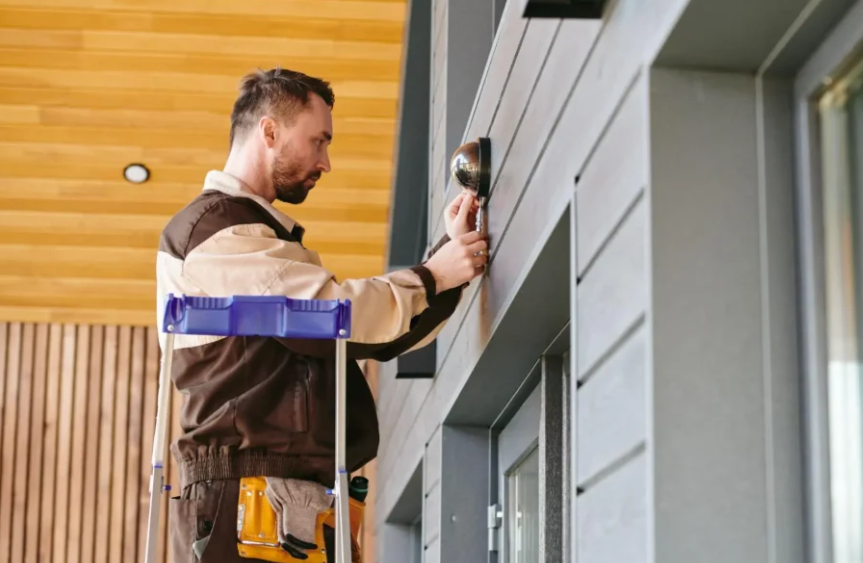
Modern businesses depend on well-organized and functional office environments to support productivity, collaboration, and employee satisfaction. Whether setting up a new office, relocating to a larger facility, or renovating an existing workspace, office furniture installation plays a critical role in ensuring everything is assembled, positioned, and ready for use.
A properly executed installation process helps businesses maximize space, maintain safety standards, and create a professional atmosphere that reflects their brand. From workstations and desks to conference tables and storage systems, professional installation ensures every piece is assembled correctly and efficiently.
In this guide, we will explore the importance of office furniture installation, its benefits, key services involved, and how businesses can choose the right installation partner.
Why Office Furniture Installation Matters
Office furniture is more than just desks and chairs. It contributes to workflow efficiency, employee comfort, and overall workplace functionality. Poorly assembled furniture can lead to safety hazards, reduced productivity, and costly repairs.
Professional office furniture installation ensures that all furniture components are assembled according to manufacturer specifications. This minimizes the risk of damage while extending the lifespan of office assets.
Businesses often invest significant resources in furnishing their offices. Proper installation protects that investment while creating a workspace that supports day-to-day operations.
The Benefits of Professional Office Furniture Installation
Hiring experienced installation professionals offers several advantages for businesses of all sizes.
Improved Efficiency
Professional installers complete projects quickly and accurately. Instead of asking employees to spend hours assembling furniture, businesses can focus on their core operations while experts handle the setup.
Enhanced Safety
Incorrectly assembled furniture can become unstable and dangerous. Professional installation ensures desks, shelving units, and storage systems are secured properly, reducing workplace risks.
Better Space Utilization
Installers understand how to arrange furniture for optimal workflow and traffic flow. This helps maximize available office space and improve employee productivity.
Reduced Downtime
For businesses undergoing expansion or relocation, minimizing downtime is essential. Professional teams can install furniture efficiently so employees can return to work sooner.
Long-Term Cost Savings
Proper assembly reduces wear and tear, preventing expensive repairs and replacements in the future.
Commercial Office Furniture Installation for Growing Businesses
As organizations expand, furnishing larger workspaces becomes increasingly complex. Commercial office furniture installation services are designed to handle projects of all sizes, from small offices to multi-floor corporate environments.
These services often include:
- Workstation setup
- Cubicle installation
- Executive office furnishing
- Conference room furniture assembly
- Reception area installation
- Breakroom and collaborative space setup
Professional installation teams coordinate with project managers, facility managers, and contractors to ensure seamless execution while meeting project deadlines.
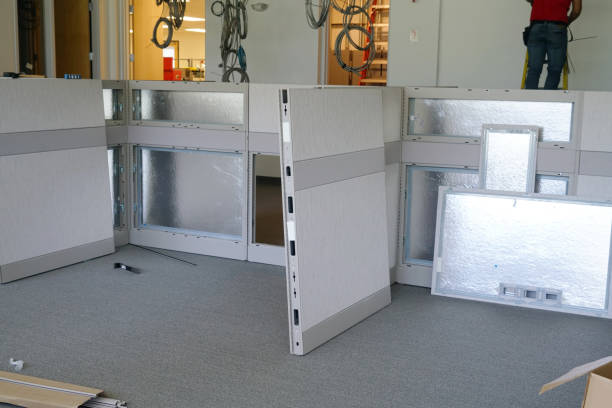
The Role of Office Furniture Assemblers
Many businesses rely on skilled office furniture assemblers to handle furniture setup accurately and efficiently.
These professionals have experience working with furniture from various manufacturers and understand assembly requirements for different systems. Their expertise helps avoid common mistakes such as:
- Missing hardware
- Incorrect component placement
- Structural instability
- Damage during assembly
- Improper alignment of modular systems
By working with experienced assemblers, businesses can ensure their furniture is installed correctly the first time.
Planning a Successful Office Installation Project
Proper planning is essential for a smooth installation process. Before installation begins, businesses should evaluate several key factors.
Assess Workspace Requirements
Determine how the office will function and identify furniture needs based on employee roles, departments, and workflow patterns.
Create a Floor Plan
A detailed floor plan helps installers understand where each furniture piece should be placed. This reduces confusion and speeds up the installation process.
Schedule Delivery and Installation
Coordinating delivery schedules with installation teams helps prevent delays and ensures all furniture arrives when needed.
Prepare the Workspace
Clear access points, elevators, hallways, and work areas before installation day to facilitate efficient movement of furniture.
Communicate Expectations
Clearly communicate project timelines, special requirements, and workspace preferences to the installation team.
Comprehensive Office Installation Services
Many providers offer complete office installation services that go beyond furniture assembly.
These services may include:
Furniture Delivery Coordination
Installation teams often coordinate deliveries and inspect furniture upon arrival to identify missing or damaged components.
Reconfiguration Services
As businesses evolve, office layouts may need adjustment. Reconfiguration services allow furniture systems to be modified without purchasing entirely new equipment.
Furniture Relocation
During office moves, installation professionals can disassemble, transport, and reinstall furniture at the new location.
Asset Management
Some providers offer inventory tracking and asset management solutions to help organizations monitor furniture assets across multiple locations.
Decommissioning Services
When businesses replace old furniture, installers can remove, recycle, or dispose of outdated items responsibly.
Why Businesses Choose Office Furniture Assembly Service Providers
Managing furniture assembly internally may seem cost-effective, but it often leads to inefficiencies and unexpected challenges. A professional office furniture assembly service provides specialized expertise that saves time and reduces risk.
Professional assembly services offer:
- Trained technicians
- Specialized tools
- Efficient project management
- Quality assurance
- Manufacturer-compliant installation
- Reduced workplace disruption
These advantages allow businesses to focus on operations while ensuring furniture is installed properly.
Common Types of Office Furniture Installed
Office installation professionals work with a wide range of furniture systems.
Workstations and Cubicles
Modular workstations require precise assembly and alignment to ensure functionality and visual consistency.
Executive Furniture
Executive desks, credenzas, and storage systems often involve complex assembly and careful placement.
Conference Room Furniture
Large conference tables and collaborative furniture require accurate installation to support team meetings and presentations.
Reception Area Furniture
Reception desks and waiting area seating create important first impressions and must be assembled professionally.
Storage Solutions
File cabinets, shelving systems, and storage units need secure installation to ensure workplace safety.
Collaborative Workspaces
Modern offices increasingly incorporate flexible furniture solutions designed to support teamwork and employee interaction.
Selecting the Right Office Installation Company
Choosing the right office installation company is essential for project success.
When evaluating providers, consider the following factors:
Experience
Look for companies with extensive experience handling office furniture projects similar to yours.
Skilled Workforce
Qualified installers should have training and expertise in assembling a variety of furniture systems.
Project Management Capabilities
A reliable provider should offer strong communication, scheduling, and coordination throughout the project.
Insurance and Compliance
Verify that the company carries appropriate insurance coverage and follows workplace safety regulations.
Customer Reviews
Client testimonials and references can provide valuable insights into service quality and reliability.
Scalability
Choose a provider capable of supporting future expansions, relocations, or reconfigurations as your business grows.
Trends Shaping Office Furniture Installation
Workplace design continues to evolve, creating new opportunities and challenges for installation professionals.
Hybrid Work Environments
Many organizations are redesigning offices to support flexible work arrangements, requiring adaptable furniture solutions.
Ergonomic Furniture
Height-adjustable desks and ergonomic seating systems are becoming increasingly popular as businesses prioritize employee wellness.
Collaborative Spaces
Open meeting areas and flexible collaboration zones require specialized installation expertise.
Sustainable Office Design
Organizations are increasingly selecting environmentally friendly furniture and installation practices to support sustainability goals.
Technology Integration
Modern furniture often includes integrated power, data, and cable management systems that require precise installation.
See also: Choosing the Right Business Dispute Lawyer in Sydney
Conclusion
A well-planned office furniture installation project can significantly improve workplace efficiency, employee comfort, and overall business operations. Professional installation ensures furniture is assembled correctly, safely, and according to manufacturer specifications while minimizing disruption to daily activities.
From large-scale corporate expansions to small office renovations, businesses benefit from partnering with experienced installation professionals who understand workspace planning, furniture systems, and project coordination. By investing in expert installation services, organizations create functional, attractive, and productive work environments that support long-term success.