Setting up a home fitness area can be an excellent way to make exercise a regular part of everyday life. With busy schedules and limited time for visiting gyms, many people are exploring equipment that allows them to work out comfortably at home. Pilates has become a popular choice because it combines controlled movements, resistance training, flexibility exercises, and core strengthening.
However, choosing the right equipment requires some research. Different machines offer different features, resistance levels, sizes, and exercise possibilities. A model that works well for one person may not be suitable for someone with different fitness goals or space requirements.
Before investing in a Pilates workout machine, it is important to understand how the equipment works, what features matter most, and how to evaluate its overall quality. Making an informed decision can help you choose equipment that supports your fitness routine and remains useful over time.
1. Understand How a Pilates Workout Machine Works
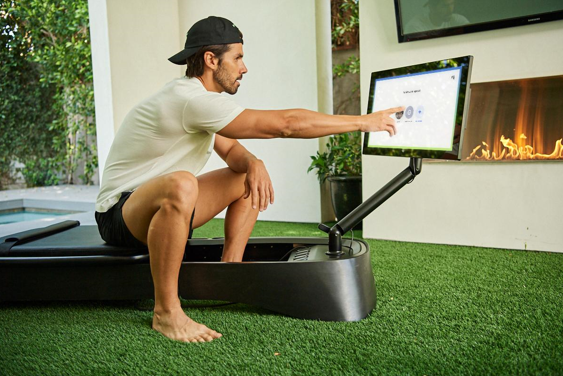
A Pilates machine is designed to support controlled exercises using resistance and guided movement. Depending on its design, it may include a sliding platform, resistance springs, straps, handles, footbars, and other supporting components.
These features allow users to perform exercises in different positions, including lying down, sitting, kneeling, and standing.
Unlike traditional mat exercises, machine based Pilates introduces adjustable resistance that can make movements easier or more challenging.
Some common exercise categories include:
- Footwork and lower body exercises
- Core strengthening movements
- Arm and shoulder exercises
- Controlled stretching routines
- Balance and coordination exercises
- Full body conditioning movements
Understanding the equipment’s basic functionality will help you determine whether it matches your exercise preferences.
2. Identify Your Personal Fitness Goals
Before comparing products, think about what you want to achieve through Pilates.
Some individuals want to improve general fitness, while others are more interested in flexibility, core strength, or developing a consistent exercise routine.
Your goals will influence the type of machine and features you should prioritise.
For example:
For core strengthening: Look for equipment that supports different abdominal and stability exercises.
For flexibility: Consider machines that allow comfortable stretching and controlled movement variations.
For full body workouts: Choose a versatile design that supports exercises for the upper body, lower body, and core.
For beginner fitness routines: Prioritise simple adjustments, comfortable padding, and clear operating instructions.
Having specific goals can prevent you from purchasing equipment with unnecessary features.
3. Explore Different Types of Pilates Equipment
Pilates equipment is available in several designs. Each type offers a different exercise experience, so understanding the differences can help you make a suitable choice.
Pilates Reformer
A reformer is one of the most recognised types of Pilates equipment. It generally features a sliding carriage, resistance springs, straps, shoulder supports, and a footbar.
It supports a wide range of movements and can be used for exercises targeting different muscle groups.
Compact Pilates Machines
Compact machines are designed for people who have limited workout space. They may have a smaller structure and fewer adjustment options, making them suitable for basic home fitness routines.
Foldable Pilates Equipment
Foldable equipment is useful when the workout area also serves other household purposes. It can be stored after exercise, provided the design includes a secure folding and locking mechanism.
Pilates Performer Machines
These machines generally use a moving platform and resistance components to support different exercise movements. Their functionality depends on the specific model, so it is important to review the available features before purchasing.
4. Check the Available Space in Your Home
One of the most common mistakes people make when buying exercise equipment is overlooking its actual space requirements.
A machine may appear compact in photographs but require considerable floor space once assembled.
Before placing an order, measure the intended workout area carefully.
Consider:
- The total length and width of the machine
- Additional clearance around the equipment
- Space needed for getting on and off
- Ceiling height for exercises involving raised arms
- Storage requirements when the machine is not in use
If you live in an apartment or have a small exercise area, a compact or foldable design may be a practical option.
However, make sure the equipment still offers enough room for comfortable movement.
See also: How Can You Find Funeral Service Details for Anderson Funeral Homes in Ohio?
5. Evaluate the Frame and Construction Quality
The construction quality of a Pilates machine directly influences its stability and long term usability.
Since the equipment is used for repeated movements and resistance exercises, its frame should be strong enough to support the recommended user weight.
Pay attention to the following components:
- Frame: Check the material, overall strength, and finishing.
- Carriage: Look for smooth movement and reliable construction.
- Footbar: Ensure that it feels secure and comfortable.
- Shoulder supports: These should provide adequate support during exercises.
- Handles: Check the grip quality and attachment points.
- Resistance components: Inspect their quality and suitability for regular use.
A well constructed machine should feel stable during normal operation without excessive wobbling or unusual movement.
6. Understand the Resistance Options
Resistance plays an important role in Pilates workouts. It influences how much effort is required to complete a movement.
Many reformer machines use springs to provide adjustable resistance. Other machines may use different resistance systems depending on their design.
When comparing options, check whether the resistance settings are suitable for your experience level.
A good resistance system should offer:
- Manageable resistance for beginners
- Options for increasing workout intensity
- Smooth and controlled movement
- Secure attachment points
- Clear adjustment instructions
Having multiple resistance options can make the equipment more versatile as your fitness abilities develop.
It is important to remember that higher resistance is not always better. Maintaining control and proper technique should be the priority.
7. Consider Comfort and Padding
Comfort is an important part of selecting home exercise equipment. Pilates workouts often involve sitting, lying down, kneeling, and maintaining different body positions.
Poorly designed padding can make longer sessions uncomfortable.
Before purchasing, review the following features:
- Carriage cushioning
- Shoulder support padding
- Handle grip comfort
- Footbar positioning
- Surface material and finishing
- Overall ergonomic design
The equipment should provide adequate support without restricting natural movement.
If possible, try a similar machine before making a final decision. This can help you understand whether its dimensions and padding suit your body proportions.
8. Look for Useful Adjustment Features
Adjustable components allow users to modify equipment according to their body proportions and workout requirements.
Depending on the model, adjustments may be available for the footbar, straps, headrest, and resistance settings.
These features can help users perform different exercises comfortably.
Before buying, consider whether:
- Resistance settings are easy to change.
- Straps can be adjusted securely.
- The footbar offers useful positioning options.
- Moving components can be locked when required.
- Adjustments remain stable during exercise.
Choose a machine with practical adjustment features rather than focusing on the number of features alone.
9. Check the Machine’s Weight Capacity
Every exercise machine has a recommended maximum user weight. This information should be checked before making a purchase.
The weight capacity indicates the manufacturer’s stated limit for intended use. Exceeding it may affect the equipment’s safety and performance.
In addition to weight capacity, consider the overall stability of the frame and supporting structure.
Look for clear product specifications covering:
- Maximum user weight
- Frame construction
- Stability features
- Resistance attachments
- Assembly requirements
If the manufacturer does not provide clear specifications, contact the seller before purchasing.
10. Review Included Accessories
Accessories can expand the types of exercises you can perform with a machine.
Depending on the model, some Pilates equipment may include handles, straps, foot loops, sitting boxes, or other attachments.
Before buying, check exactly what is included in the package.
Some useful accessories may include:
Resistance straps: These support selected arm and leg movements.
Foot loops: These can help with exercises that involve controlled leg positioning.
Sitting box: This provides additional support for different seated, stretching, and strengthening movements on compatible reformers.
Handles: These allow users to perform selected upper body exercises.
Also check whether additional accessories are compatible with the machine and whether replacement parts are available.
11. Compare Price and Overall Value
Price is an important consideration, but it should not be the only factor influencing your purchase.
A low priced machine may offer fewer features or simpler construction. A higher priced model may include additional accessories, adjustable components, and stronger materials.
Instead of comparing prices alone, evaluate the overall value.
Consider:
- Build quality
- Resistance options
- Comfort and padding
- Available accessories
- Warranty coverage
- Maintenance requirements
- Replacement part availability
- Expected frequency of use
It is better to select equipment that meets your actual requirements than to spend extra money on features you may not need.
12. Understand Assembly and Installation Requirements
Some Pilates machines require assembly before their first use. The process may involve attaching the frame, carriage, resistance components, straps, and other accessories.
Before ordering, check whether the equipment arrives fully assembled or requires installation.
Review these details:
- Are assembly instructions included?
- Are the required tools provided?
- Is professional installation recommended?
- How many people are needed for assembly?
- Are all components included in the package?
Incorrect assembly can affect stability and equipment performance. Always follow the manufacturer’s instructions and check that all fittings are secure before exercising.
13. Check Warranty and Customer Support
Warranty coverage is another important factor when investing in fitness equipment.
Moving parts and resistance components may require maintenance or replacement over time. Having access to reliable customer support can make it easier to address problems.
Before purchasing, review:
- Warranty duration
- Parts covered under warranty
- Frame coverage
- Service availability
- Replacement component options
- Customer support contact details
Read the warranty terms carefully because coverage may differ between individual components.
14. Learn About Maintenance Requirements
Regular maintenance helps keep exercise equipment in suitable working condition.
Since Pilates machines include moving parts, resistance systems, and supporting structures, periodic inspection is important.
Basic maintenance practices include:
- Cleaning the carriage and handles after workouts.
- Removing dust from moving tracks.
- Checking screws and fittings regularly.
- Inspecting springs and resistance attachments.
- Checking straps for signs of wear.
- Following the manufacturer’s maintenance schedule.
Avoid using damaged equipment. If a component becomes loose or stops functioning correctly, arrange an inspection before continuing your workouts.
15. Choose Equipment That Supports Your Long Term Routine
When purchasing fitness equipment, it is easy to become focused on the features and specifications. However, the most useful machine is one that you can comfortably incorporate into your lifestyle.
Think about how often you realistically plan to exercise and whether the equipment will remain practical as your fitness abilities change.
A versatile machine with suitable resistance options may support different exercise routines over time.
You should also consider whether you enjoy using the equipment. Comfort, convenience, and ease of use can influence how consistently you exercise.
Starting with realistic expectations and gradually building your routine is often more sustainable than attempting demanding workouts immediately.
Frequently Asked Questions
1. What should I consider before buying a Pilates workout machine?
Consider your fitness goals, available space, equipment type, construction quality, resistance options, comfort, weight capacity, accessories, price, and warranty. These factors can help you select equipment that suits your needs.
2. Is a Pilates reformer suitable for home workouts?
Yes, a Pilates reformer can be suitable for home workouts if you have sufficient space and choose a model that matches your experience level and fitness goals.
3. Are compact Pilates machines effective?
Compact machines can support useful exercise routines, particularly for people with limited space. Their effectiveness depends on the available movements, resistance options, and how consistently they are used.
4. How much should I spend on a Pilates machine?
The budget depends on your requirements and the features you need. Compare construction quality, resistance settings, accessories, and warranty coverage rather than choosing equipment based only on price.
5. Do Pilates machines require regular maintenance?
Yes. Regular cleaning and inspection of moving components, resistance systems, straps, and fittings can help maintain equipment condition and safety.
6. Can beginners use a Pilates workout machine?
Yes. Beginners can start with simple exercises and manageable resistance. Learning the correct techniques from a qualified instructor can help reduce the risk of incorrect movement.
7. What accessories are useful with a Pilates machine?
Common accessories include resistance straps, handles, foot loops, and sitting boxes. The right accessories depend on the machine’s compatibility and the exercises you want to perform.
8. How do I know if a Pilates machine will fit in my home?
Measure your available floor space and compare it with the manufacturer’s equipment dimensions. Remember to leave additional room around the machine for safe exercise and access.
Final Thoughts
Buying exercise equipment for home use is an investment in convenience, fitness, and long term lifestyle habits. However, selecting the right model requires careful consideration of several practical factors.
From construction quality and resistance options to storage requirements and comfort, every feature can influence your overall experience. Taking the time to compare specifications and understand your personal requirements can help you avoid unnecessary purchases.
A suitable Pilates workout machine should fit comfortably into your home, support your fitness goals, and offer the functionality you need for regular exercise. With the right equipment and a consistent routine, you can create a comfortable home workout environment that encourages strength, flexibility, and overall physical well being.